
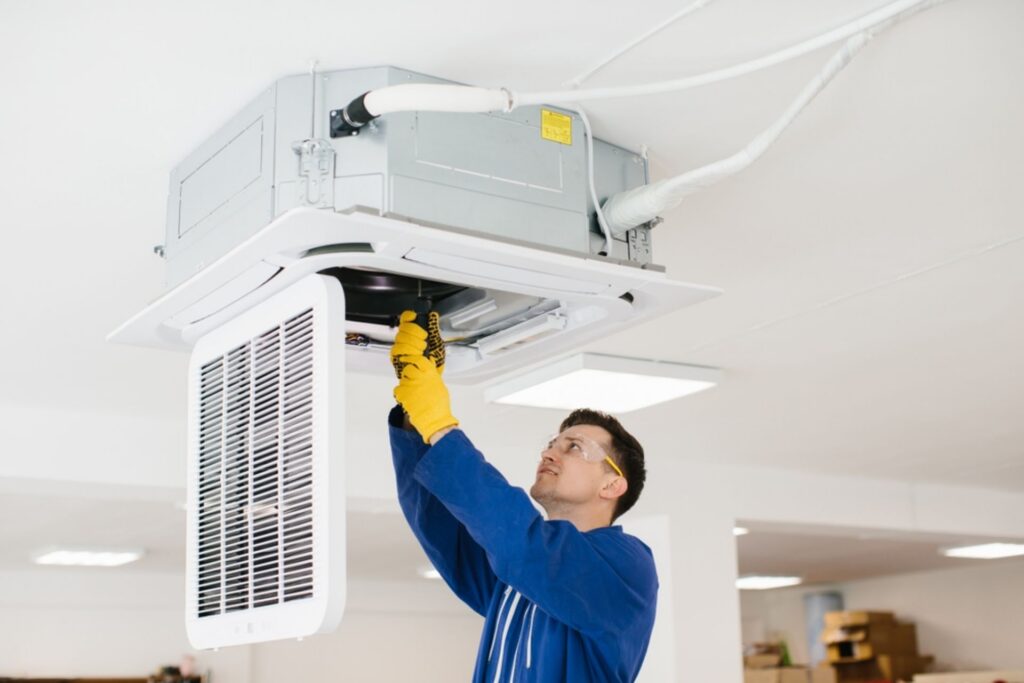
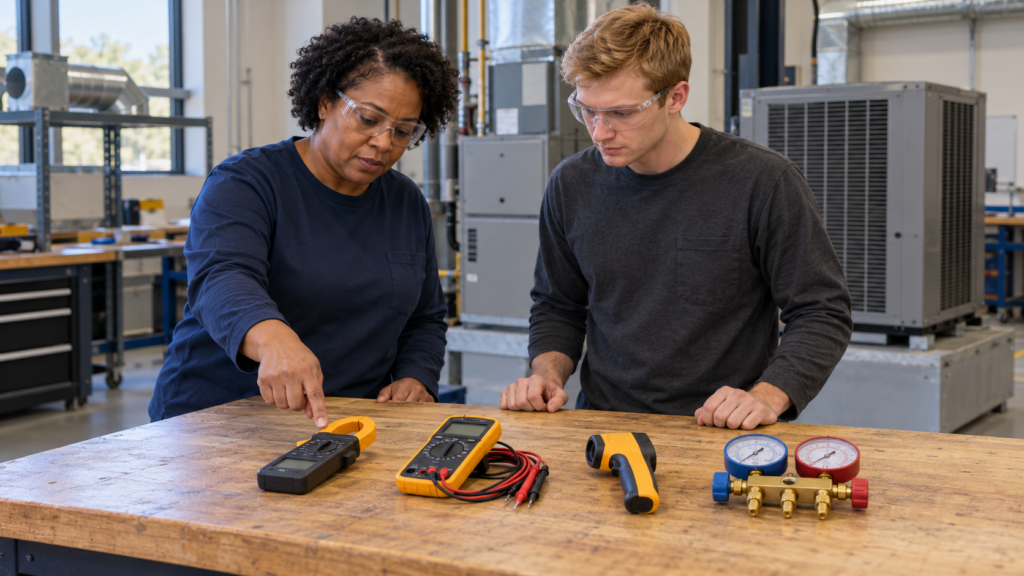
If you’re looking to become an HVAC/R technician, you’ll need to know the tools professionals use daily.
HVAC/R systems are complex machines built around thermodynamics, fluid dynamics, and electrical control systems. Using the right tools and understanding their limitations supports accurate troubleshooting and safe work.
We discuss some essential HVAC/R tools and how the HVAC/R Diploma program at Rockford Career College teaches you how to safely use them.
Diagnostic & Testing HVAC/R Tools
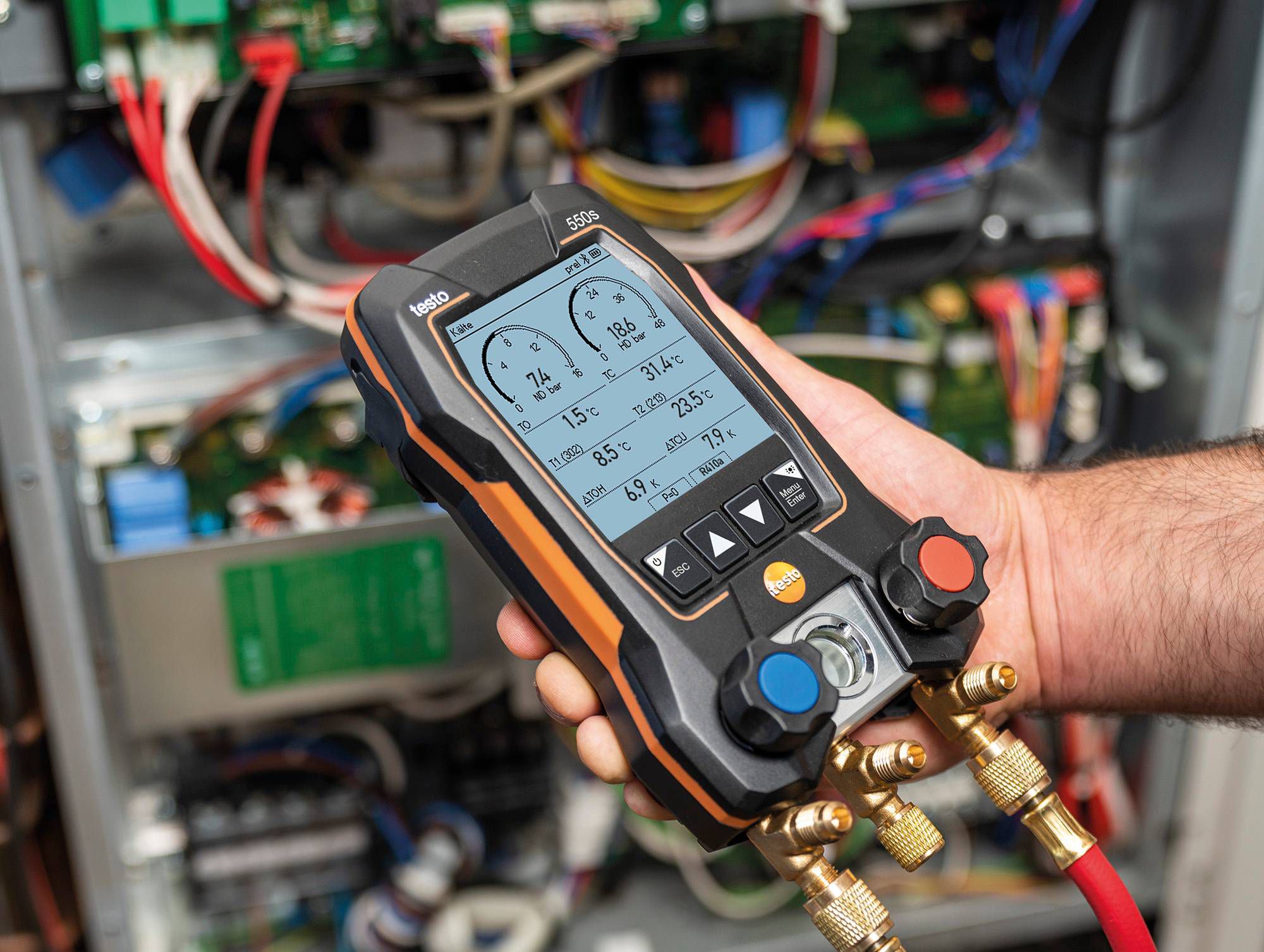
Digital Manifold Gauge Set
Used to measure refrigerant pressure on the high and low sides of a system. Modern digital manifolds also calculate superheat and subcooling with compatible temperature probes and the correct refrigerant settings, helping technicians evaluate system operation and refrigerant charge alongside manufacturer guidance.

Multimeter
Measures voltage, resistance, and continuity. It’s essential for diagnosing electrical issues like faulty capacitors when the meter has a capacitance function, broken wires, or failed components. Different measurements require appropriate settings and safety procedures.

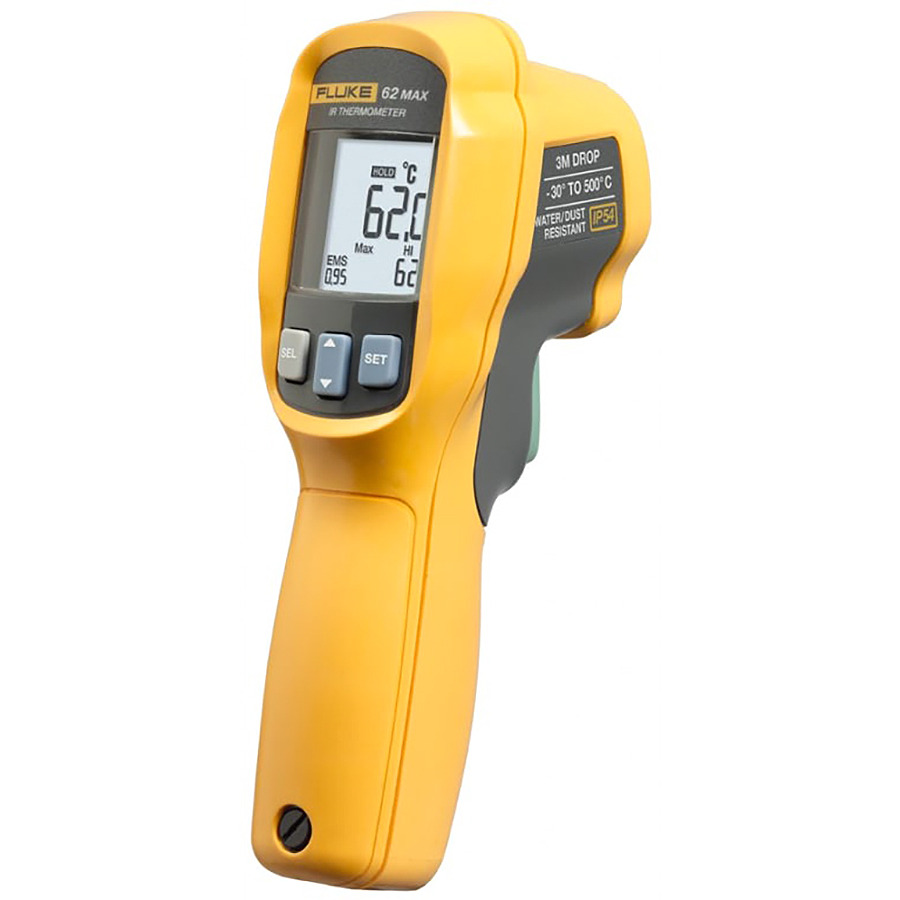
Clamp Meter and Infrared Thermometer
Clamp meters measure electrical current by clamping around an individual conductor, using a meter appropriate for the circuit. They are useful for checking compressor and motor current when proper electrical safety procedures are followed.
Infrared thermometers measure surface temperatures, such as accessible duct or equipment surfaces. They do not directly measure air temperature, and reflective surfaces can affect readings.
Airflow and Combustion Tools
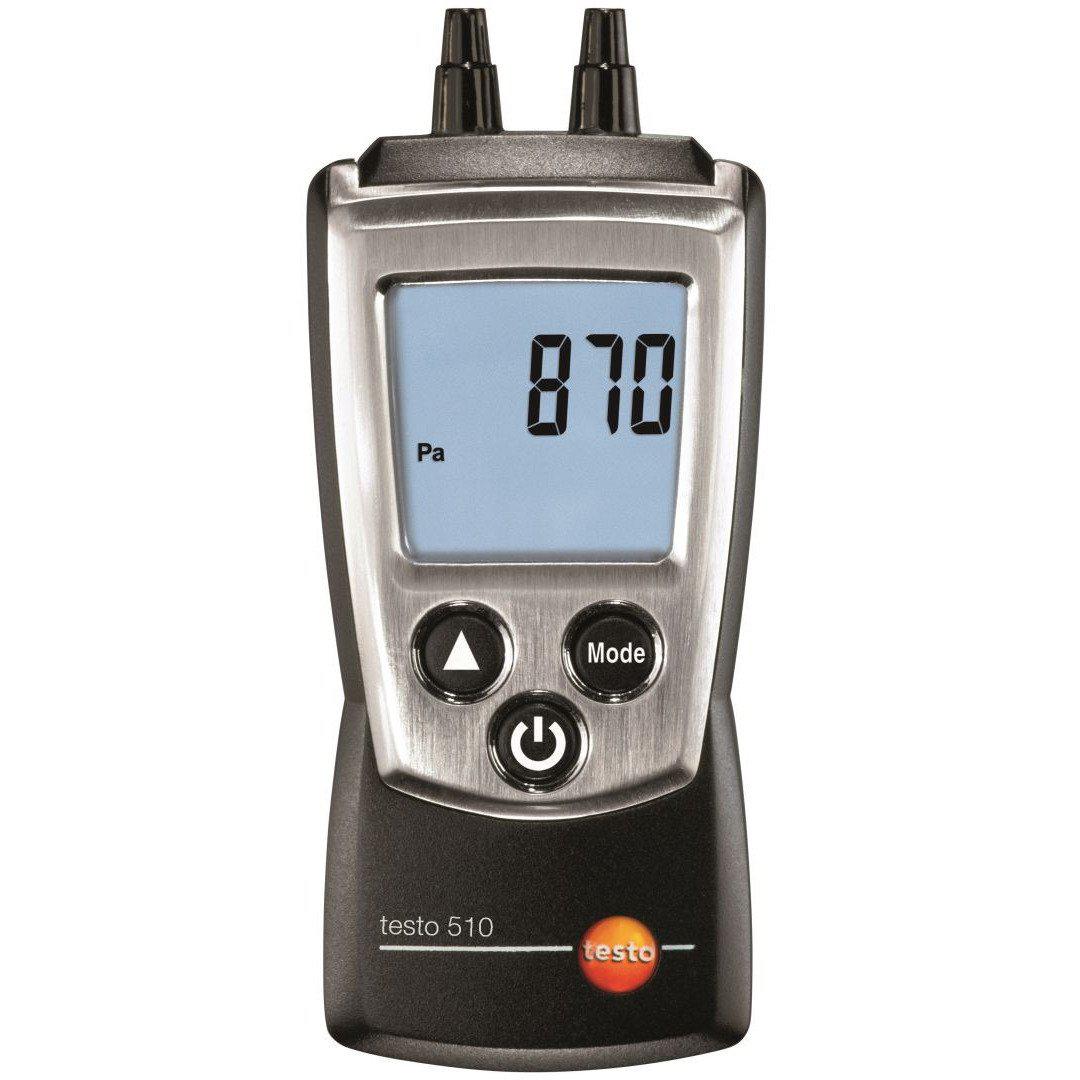
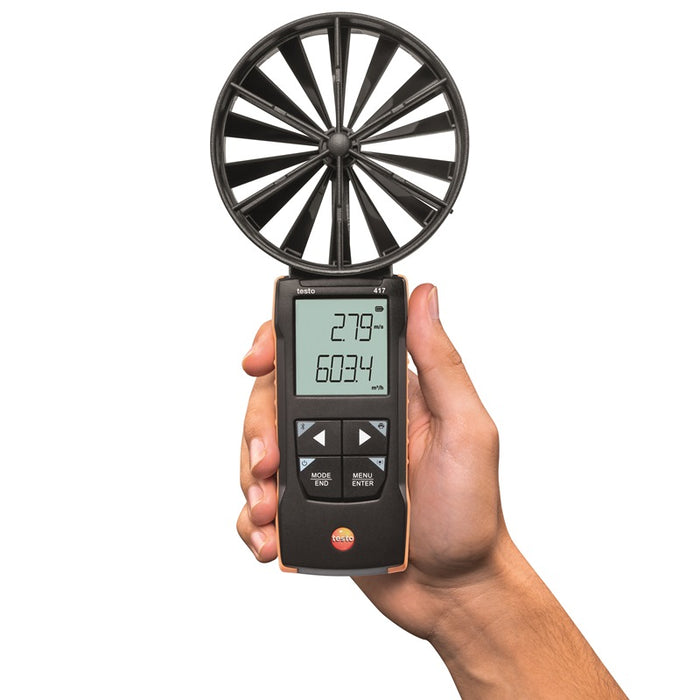
Manometer and Anemometer
A manometer measures air or gas pressure inside duct systems or gas lines, helping technicians identify airflow restrictions or improper system pressure. An anemometer measures the speed of airflow coming through vents and ducts, helping technicians assess airflow; determining total air volume also requires the measurement method and opening dimensions.
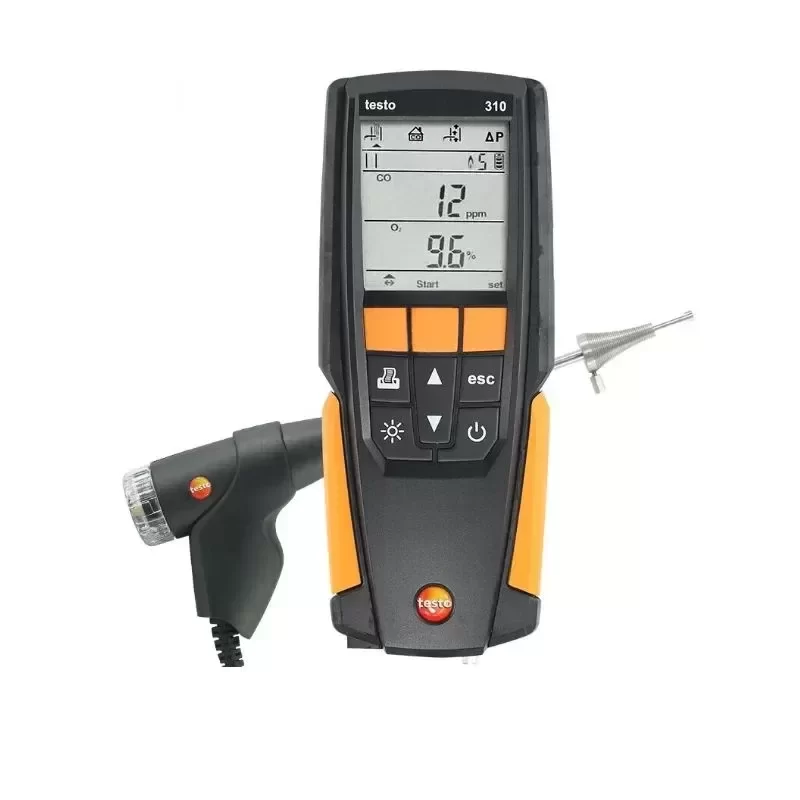
Combustion Analyzer
Used on fuel-burning equipment to measure flue-gas properties such as oxygen and carbon monoxide and help evaluate combustion performance.
Installation and Mechanical Tools
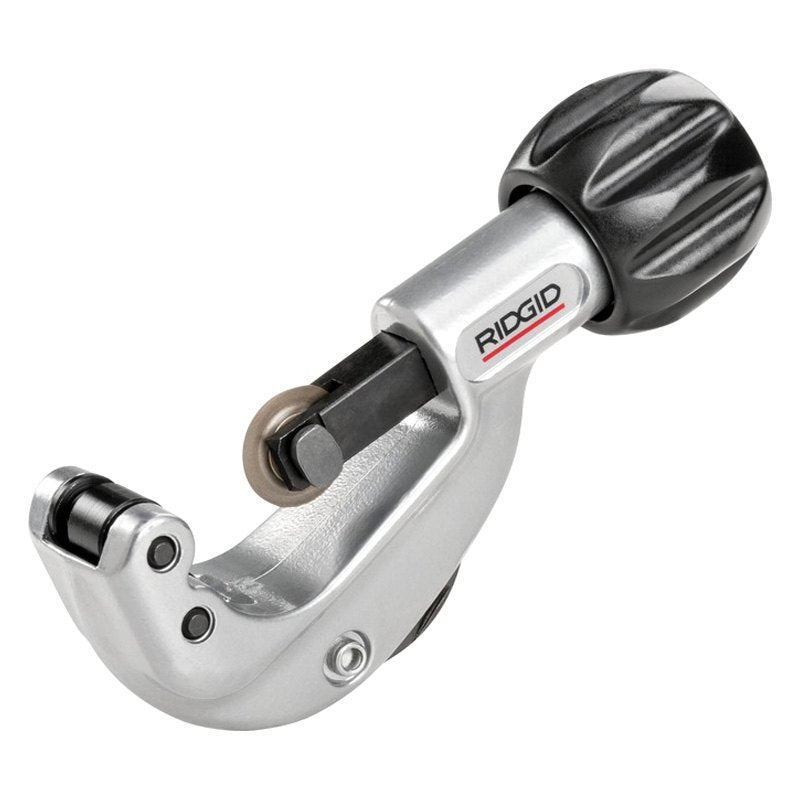
Tube Cutter
A tube cutter is used to cleanly and evenly cut copper refrigerant lines. Instead of crushing or deforming the pipe as a saw might, it creates a smooth, straight cut. Cut tubing may still require deburring, cleaning, and preparation for the intended connection.
Torque Wrench
A torque wrench helps tighten fittings that require a torque specification, such as certain flare connections, to the manufacturer’s recommended value. Overtightening can crack fittings or damage components, while under-tightening can cause refrigerant leaks. Using the correct torque supports correct assembly.
Refrigerant Handling Tools

Refrigerant Recovery Machine and Recovery Tank
A refrigerant recovery machine removes refrigerant for collection in a compatible recovery cylinder. Further handling depends on the refrigerant’s condition and applicable requirements.
Work that could release refrigerant is subject to EPA Section 608 technician certification requirements. A recovery tank is a refillable cylinder intended for refrigerant recovery, not a disposable supply cylinder.

Vacuum Pump
HVAC/R technicians use vacuum pumps to remove air and moisture from refrigerant lines before charging a system, after refrigerant has been recovered when required. Moisture inside a sealed system can cause major compressor damage.
A suitable vacuum gauge helps verify evacuation; a vacuum pump is not a refrigerant recovery machine.

Electronic Leak Detector
This device detects refrigerant leaks that are invisible to the eye and must be compatible with the refrigerant being checked. Leaks can reduce performance and require investigation.
Safety Gear and Accessories

Personal Protective Equipment (PPE)
Safety is part of the job. HVAC/R technicians use task-appropriate gloves, safety glasses, and, when required, respiratory protection for hazards such as sharp metal, hot components, and refrigerant exposure.
PPE is selected for the task and hazards. Ordinary gloves do not provide electrical protection; specialized protection and respiratory equipment require appropriate selection and training.
Lockout/Tagout Equipment and Safety Signage
Energy-control procedures isolate hazardous energy, address stored energy, and require verification before covered servicing begins. Locks, tags, and signage support these procedures; switching equipment off or posting a sign alone is not sufficient.
Learn to Use HVAC/R Tools in RCC’s Training Program
RCC’s 10-month, on-campus HVAC/R Diploma program includes hands-on instruction and lab exercises in heating, cooling, refrigeration, and electrical and mechanical controls.
Final Thoughts
Rockford Career College has been serving students and the local workforce for over 160 years, preparing graduates for in-demand skilled trades careers.
