
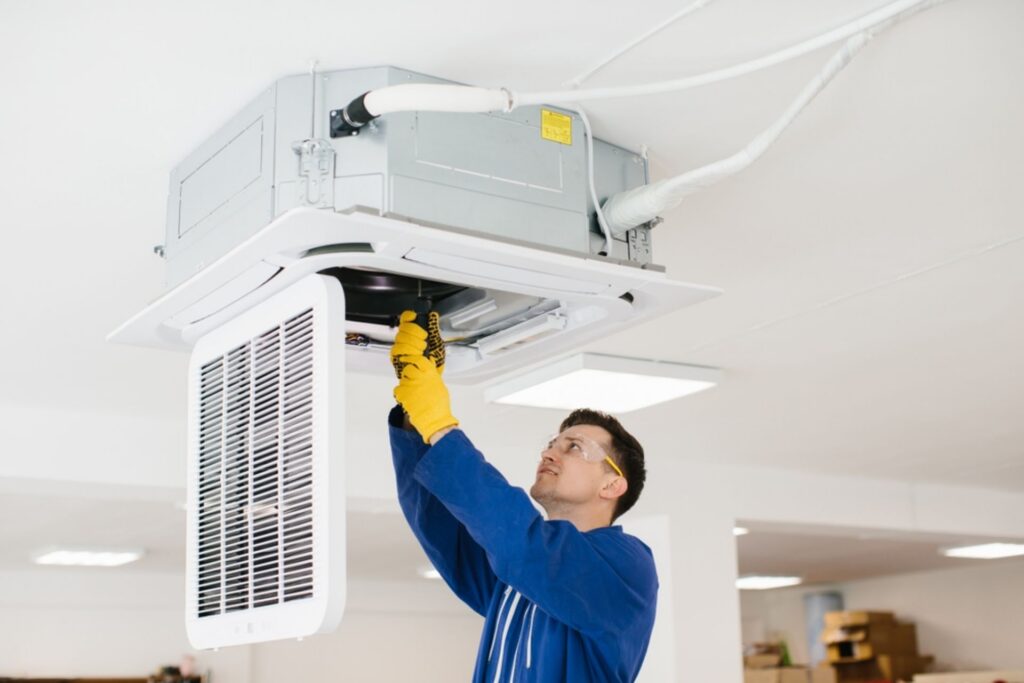
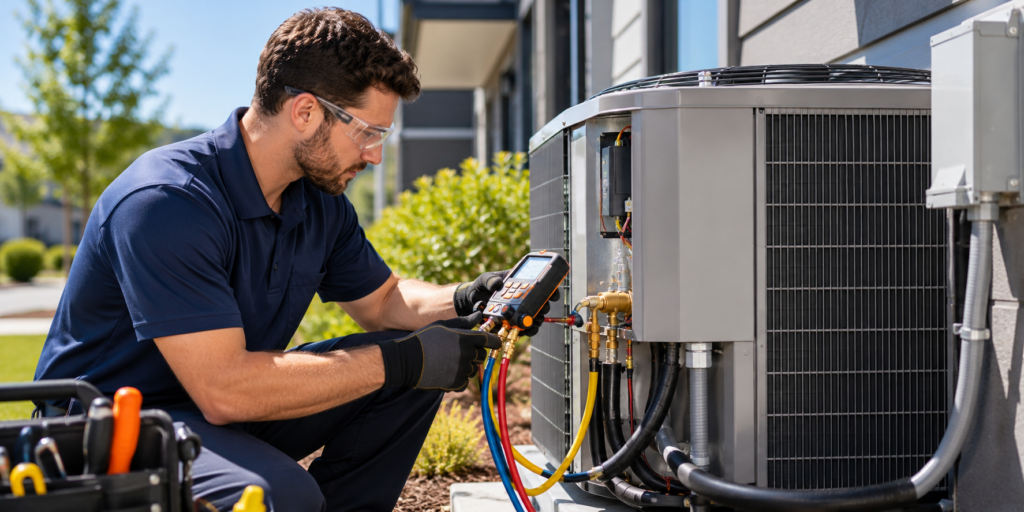
Energy efficiency is transforming HVAC/R careers as homes and businesses adopt heating and cooling systems that use less energy while maintaining comfort. New technologies and updated building standards are changing the skills employers value, making modern HVAC/R knowledge increasingly important.
At Rockford Career College, students can prepare for the evolving HVAC/R industry through career-focused education. On-campus instruction, hands-on training, and personalized support help students build practical skills for today’s workforce.
Whether you are starting your first career or making a career change, understanding energy-efficient HVAC/R systems can help you prepare for opportunities in a field that continues to evolve.
How Energy Efficiency Is Changing HVAC/R Careers
Energy efficiency has become an important part of residential and commercial construction. Building owners want systems that reduce energy use, improve indoor comfort, and operate reliably. Equipment standards and building codes, which vary by location and application, also influence system selection.
As a result, HVAC/R careers involve installing and repairing traditional systems alongside newer technologies. Many professionals also work with equipment and controls that monitor system performance and help reduce energy consumption.
Today’s HVAC/R technician may install, maintain, or troubleshoot:
- High-efficiency furnaces and air conditioners
- Heat pumps and variable-speed systems
- Smart thermostats and building automation controls
- Energy monitoring and diagnostic tools
Knowledge of energy-efficient HVAC/R systems allows technicians to adapt to changing technology while meeting customer needs. The U.S. Department of Energy explains how heat pumps transfer heat to provide efficient heating and cooling.
Skills Employers Look for in Modern HVAC/R Jobs
Technology continues to reshape the responsibilities found in many HVAC/R jobs. Employers often value technicians who understand both traditional mechanical systems and newer digital technologies. Strong problem-solving abilities, attention to detail, and communication skills remain important as technicians work with customers and team members.
Students preparing for an HVAC/R career often develop skills in:
- Heating and cooling system installation
- Electrical and refrigeration fundamentals
- Equipment diagnostics and troubleshooting
- Preventive maintenance
- Reading technical diagrams
- Workplace safety and industry practices
How HVAC/R Training Prepares Students for the Future
As equipment becomes more advanced, HVAC/R training helps students build an understanding of system operation and performance. Students learn the principles behind installation, maintenance, and troubleshooting while developing practical technical skills.
At Rockford Career College, HVAC/R coursework includes:
- Heating, cooling, refrigeration, and heat pump systems
- System installation and maintenance
- Electrical wiring, motors, and mechanical controls
- Troubleshooting and repair
- Building management systems and safety practices
- Refrigerant regulations and EPA guidelines
Many employers also value candidates who continue developing their knowledge through professional learning opportunities. EPA Section 608 certification is required for technicians performing covered work on equipment that could release refrigerants; closely supervised apprentices may qualify for an exemption. Diploma completion does not automatically award certification. Other credentials and licensing requirements depend on the role and jurisdiction.
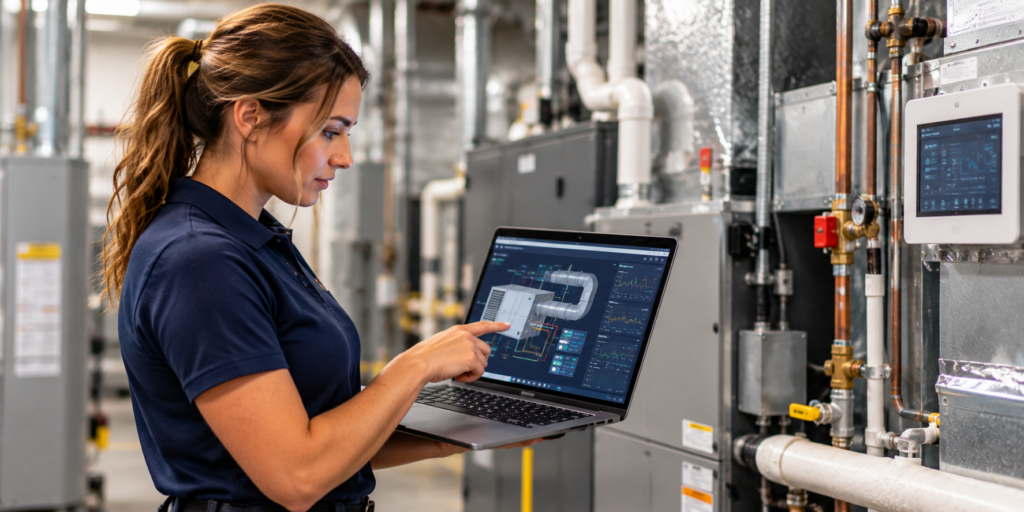
How Rockford Career College Supports Future HVAC/R Professionals
Rockford Career College’s HVAC/R Diploma is a 10-month, on-campus program in Rockford, Illinois. The curriculum introduces students to technical knowledge and practical skills commonly used throughout the HVAC/R industry.
Students benefit from:
- Industry-experienced instructors
- Hands-on technical learning and laboratory exercises
- On-campus instruction in Rockford, Illinois
- Academic advising and career services
- Personalized support throughout their education
The program is designed to prepare students for entry-level opportunities while encouraging lifelong learning as new HVAC/R technologies continue to emerge.
Taking the Next Step in Your Career
If you are interested in HVAC/R careers, building technical knowledge through education and hands-on learning can be an important first step. Rockford Career College offers career-focused training designed to help students prepare for today’s changing HVAC/R industry.
Explore Rockford Career College’s HVAC/R Diploma program to learn more about the education options available and how they may support your professional goals.
