
Veterinary technicians play an important role in animal healthcare, helping care for patients and supporting veterinary teams every day. According to the U.S. Bureau of Labor Statistics (BLS), employment for veterinary technologists and technicians is projected to grow 9% from 2025 to 2035. Along with the rewards of working with animals, veterinary technicians also face challenges, from responding to urgent cases to balancing patient care and communication with pet owners.
At Rockford Career College, we understand both the passion and the perseverance required in animal healthcare. Rockford Career College is committed to supporting students in the Rockford area as they pursue their educational goals.
Understanding these workplace realities can help you recognize the skills, patience, and adaptability veterinary technicians need. While every veterinary clinic operates differently, many of the challenges technicians encounter involve balancing the needs of animals, their owners, and the veterinary team.
Physical and Emotional Demands in Daily Practice
Working directly with animals of various sizes requires physical endurance and careful handling. A busy shift may involve safely restraining anxious patients, moving equipment, and spending long periods on your feet while assisting with procedures.
Even routine appointments can be physically demanding. An animal that is frightened, uncomfortable, or unfamiliar with its surroundings may react unpredictably. Veterinary technicians must remain attentive to an animal’s behavior while using appropriate handling techniques to protect the patient, themselves, and their coworkers.
Beyond the physical workload, emotional stress can impact clinic staff. Compassion fatigue and demanding workloads are also important concerns within veterinary medicine.
Caring for sick or injured animals can be emotionally difficult, particularly when treatment outcomes are uncertain. Veterinary technicians may also support pet owners who are frightened, frustrated, or grieving. Maintaining compassion while managing these situations is an important part of working in animal healthcare.
Some of the most common challenges include:
- Physical strain: Safely handling larger animals, responding to unpredictable movements, and maintaining proper posture during procedures.
- Emotional strain: Supporting grieving pet owners, assisting during emergencies, and managing the stress of difficult cases.
- Time management: Keeping up with medication schedules, laboratory tests, and unexpected patient needs.
Developing effective teamwork and communication habits can help technicians manage busy clinical environments. Recognizing personal limits and following workplace safety procedures are also important when handling physically or emotionally demanding situations.
Technical Skills and Communication Challenges
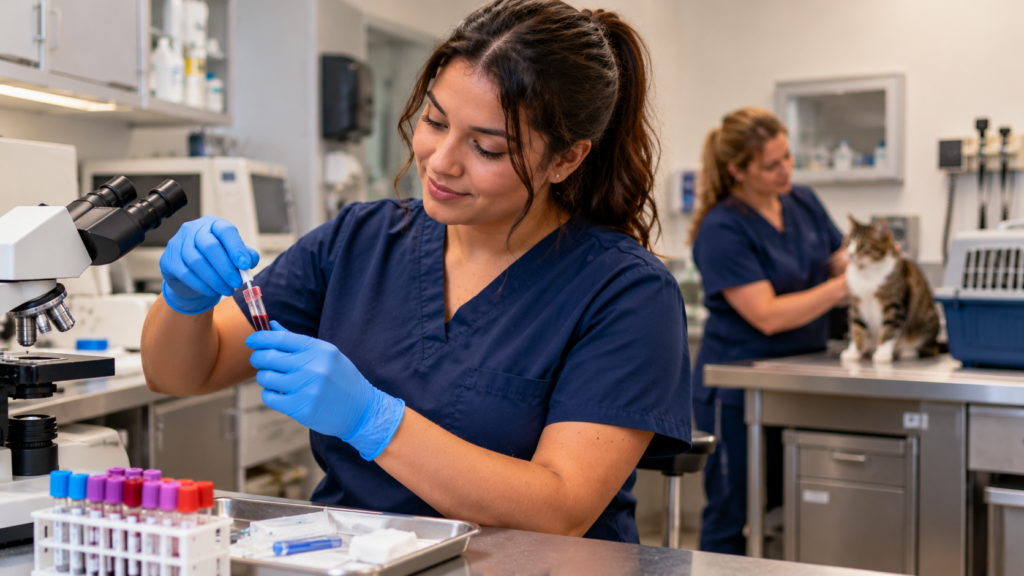
Veterinary technicians perform a variety of clinical tasks under veterinary supervision. Depending on the setting, a technician may move from collecting blood samples to monitoring anesthesia during a procedure.
These responsibilities require attention to detail because even routine tasks can affect patient safety. Accurate documentation, careful observation, and communication with the supervising veterinarian help ensure that important information is shared throughout a patient’s visit.
Communicating complex care instructions to pet owners presents another key challenge. When owners are worried about their pets, delivering clear, empathetic guidance requires patience and active listening skills.
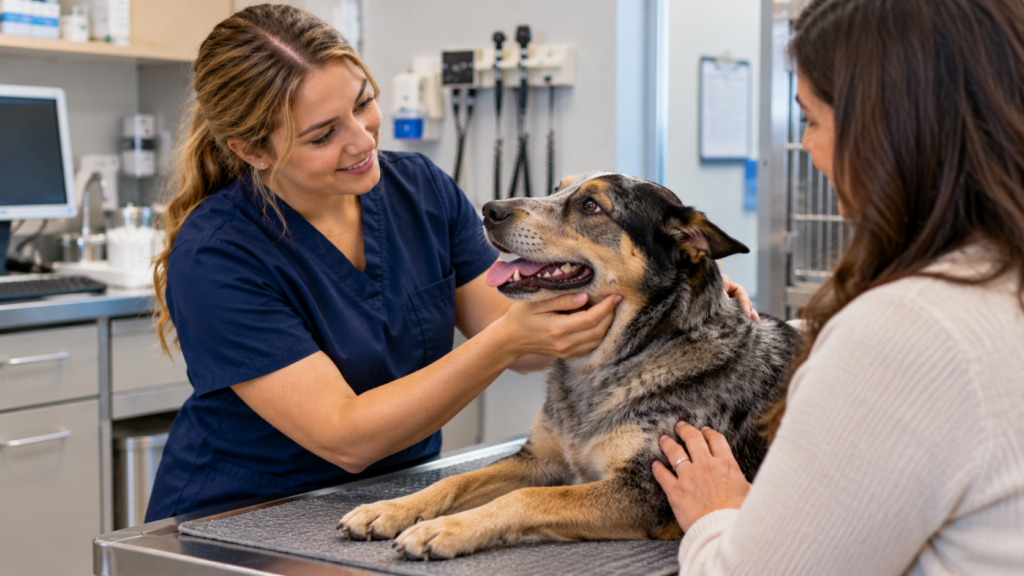
Technicians may need to explain information in everyday language while checking that owners understand the veterinarian’s instructions. This is especially important when discussing medication schedules, follow-up appointments, or signs that may require additional veterinary attention.
Common technical and communication responsibilities include:
- Performing laboratory tests and assisting with diagnostic imaging while maintaining accuracy.
- Administering medications as directed and accurately calculating dosages within the technician’s authorized responsibilities.
- Helping pet owners understand veterinarian-directed home care, post-operative instructions, and preventive care recommendations.
Balancing these responsibilities takes practice. Veterinary technicians must be prepared to ask questions, communicate concerns, and adjust their priorities as patient needs change.
How Rockford Career College Helps Students Prepare for Clinical Practice
Navigating these workplace demands starts with practical, structured instruction. Rockford Career College’s Veterinary Technician program emphasizes developing the knowledge and practical skills used in veterinary settings.
Hands-on instruction and clinical training help students connect what they learn with the responsibilities of veterinary practice. Students can develop an understanding of clinical procedures, animal handling, and communication in veterinary settings.
Learning about the challenges veterinary technicians face is also part of preparing for the profession. Understanding the importance of patient safety, attention to detail, and compassionate communication can help students approach their training with realistic expectations.
Rockford Career College emphasizes a supportive learning environment as students develop the skills and knowledge needed for their educational goals. Explore Rockford Career College’s Veterinary Technician program or request more information to learn about your next steps.
