
Licensed Practical Nurses (LPNs) provide hands-on nursing care in healthcare settings ranging from long-term care facilities to outpatient clinics. Their responsibilities vary depending on the patients they serve, the healthcare team they work with, and the regulations governing nursing practice.
If you’re considering a nursing career in Illinois, understanding where LPNs can work is a useful starting point. Exploring different workplaces can help you identify the types of patient care, clinical responsibilities, and work environments that interest you.
While LPNs share many foundational nursing skills, their day-to-day experiences can look quite different depending on where they work.
Where Do Licensed Practical Nurses Work?
LPNs work in a variety of healthcare environments, including facilities that provide ongoing nursing care, short-term treatment, rehabilitation, and community-based services.
According to the U.S. Bureau of Labor Statistics, nursing and residential care facilities are among the largest employers of licensed practical and licensed vocational nurses.
Long-Term Care and Skilled Nursing Facilities
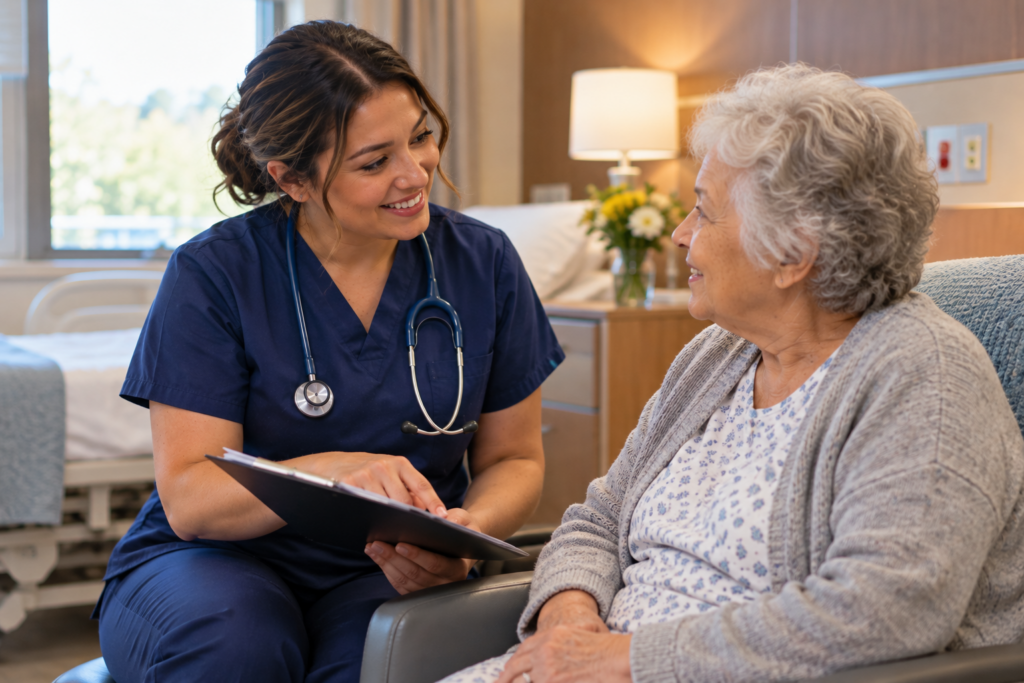
Long-term care and skilled nursing facilities provide services to individuals who need ongoing medical attention, assistance managing chronic conditions, or support with daily activities.
LPNs in these settings may monitor vital signs, administer medications within their authorized scope of practice, document changes in residents’ conditions, and communicate with registered nurses and other healthcare professionals.
For individuals who enjoy building relationships with patients, long-term care may offer opportunities to provide consistent support over time.
Hospitals and Medical Centers
Some hospitals employ LPNs in departments where their qualifications and authorized responsibilities align with patient care needs.
Depending on the position, LPNs may assist with patient monitoring, routine nursing care, documentation, and communication among healthcare team members.
Hospital environments may involve changing patient needs, multiple healthcare professionals, and schedules that include evenings, weekends, or holidays.
Physicians’ Offices and Outpatient Clinics
LPNs may also work in physicians’ offices, specialty practices, and outpatient clinics, where patients receive examinations, treatments, and follow-up care without an overnight hospital stay.
Responsibilities may include recording vital signs, preparing patients for appointments, maintaining medical records, and assisting with permitted clinical procedures.
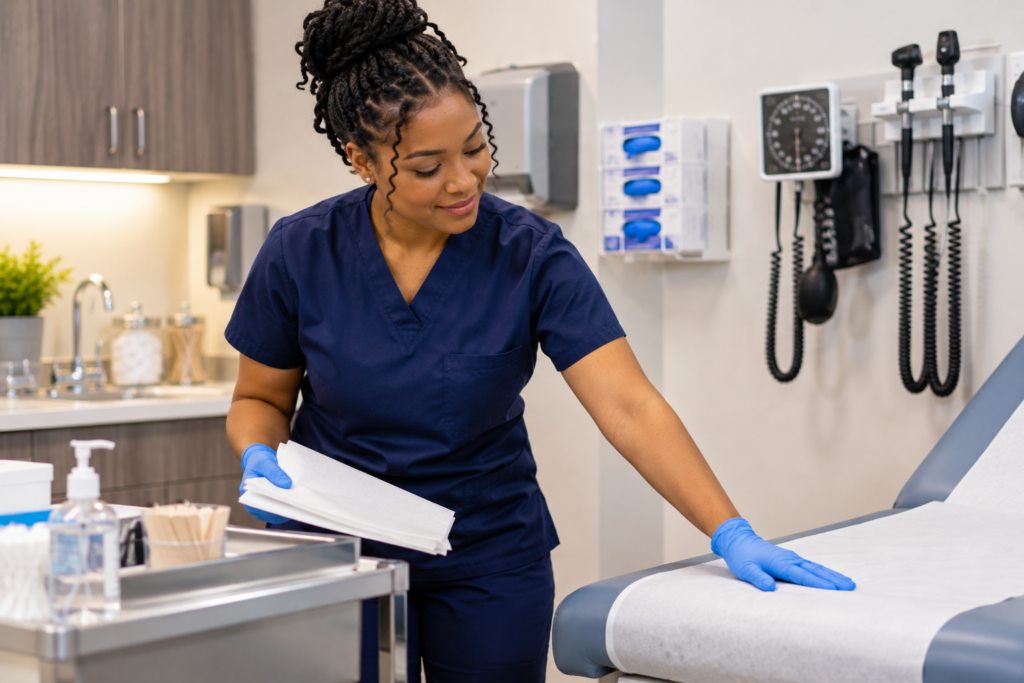
These settings often operate around scheduled appointments, although working hours and responsibilities depend on the employer.
Home Healthcare Services
Home healthcare provides nursing services to patients in their residences.
Depending on the care plan and applicable nursing regulations, LPNs may monitor patients’ conditions, document care, provide authorized treatments, and communicate with supervising healthcare professionals.
This setting may interest individuals who enjoy individualized patient interactions and are comfortable working in different home environments.
Rehabilitation and Recovery Facilities
Rehabilitation facilities help patients recover following injuries, illnesses, surgeries, or other medical events.
LPNs may assist with nursing care, monitor patient progress, administer permitted medications, and collaborate with rehabilitation teams.
These environments can be appealing to individuals interested in supporting patients as they work toward improved functioning and independence.
How Do Patient Populations Affect an LPN’s Daily Work?
One important difference between LPN work environments is the type of patient care provided.
In a long-term care facility, an LPN may regularly work with older adults or individuals managing chronic health conditions. These responsibilities can involve ongoing observation, medication administration, and communication with residents and their families.
In a rehabilitation setting, patients may require nursing support as they recover from surgery or illness. LPNs may help monitor changes in patients’ conditions and communicate with the broader care team.
Outpatient settings may involve shorter interactions with patients seeking routine care, follow-up appointments, or treatment for specific health concerns.
Understanding these differences can help prospective nursing students appreciate how practical nursing careers involve both clinical skills and the ability to adapt to different patient needs.
What Skills Do LPNs Use Across Healthcare Settings?
Although specific responsibilities vary, many LPN positions involve a common foundation of nursing knowledge and patient care skills.
Depending on state regulations, employer policies, and the clinical setting, responsibilities may include:
- Measuring and recording vital signs
- Observing patients and reporting changes in their conditions
- Administering medications and treatments when authorized
- Assisting with permitted wound care and other nursing procedures
- Maintaining accurate patient records
- Communicating with patients, families, and healthcare professionals
- Supporting patient comfort and daily care needs
LPNs generally provide nursing care under the direction of registered nurses, physicians, or other authorized healthcare professionals, as required by applicable law.
An LPN’s scope of practice is determined by state nursing regulations and other applicable requirements. Not every task is authorized in every state or workplace.
For students considering practical nursing in Rockford or elsewhere in Illinois, understanding these professional responsibilities is an important part of exploring the field.
What Should You Consider When Exploring LPN Careers?
Choosing a healthcare work environment involves more than identifying available positions. It’s also important to consider the types of responsibilities and working conditions that may suit your interests.
Here are several questions worth exploring:
- Patient populations: Would you enjoy supporting older adults, patients recovering from illness, or individuals receiving outpatient care?
- Work schedules: Are you comfortable with rotating shifts, weekends, or holidays, or would you prefer to explore positions with more regular hours?
- Patient relationships: Would you enjoy providing ongoing care or working with patients during shorter visits?
- Teamwork: Do you prefer collaborating with a larger healthcare team or providing more individualized patient support?
- Clinical interests: Are you drawn to long-term care, rehabilitation, or another area of nursing?
Your interests may evolve as you gain experience. Some LPNs explore different healthcare settings throughout their careers, depending on available opportunities, qualifications, and applicable requirements.
For someone considering nursing education, learning about these environments can help make the profession easier to understand before entering a training program.
Prepare for Practical Nursing at Rockford Career College
If you’re interested in becoming an LPN, nursing education is an important step toward pursuing professional licensure.
At Rockford Career College, our Practical Nursing diploma program combines nursing instruction, hands-on laboratory training, and supervised clinical experiences to help students develop foundational patient care skills.
Our program includes:
- Credential: Practical Nursing diploma
- Program length: 14 months
- Credits: 79 quarter credit hours
- Format: Hybrid, combining on-campus instruction, online coursework, and clinical rotations
- Location: Rockford, Illinois
Students explore nursing fundamentals, medical-surgical nursing, pharmacology and medication safety, patient care, and professional communication. Supervised clinical rotations provide opportunities to apply classroom knowledge in healthcare environments.
Our career-focused approach helps students build practical nursing skills while developing an understanding of the responsibilities involved in patient care.
Understanding LPN Licensure in Illinois
Completing a Practical Nursing diploma does not automatically grant an LPN license.
To become licensed, graduates must meet the applicable requirements established by the Illinois nursing regulatory authority, including passing the National Council Licensure Examination for Practical Nurses (NCLEX-PN).
Our Practical Nursing program is designed to prepare graduates to pursue licensure, subject to applicable examination eligibility and state requirements.
Take the Next Step Toward Your Nursing Education
Licensed practical nurses may work in long-term care facilities, hospitals, outpatient clinics, home healthcare, rehabilitation centers, and other healthcare environments.
Understanding these settings can help you explore the profession and identify the types of patient care that interest you.
If you’re ready to learn more about nursing education in Rockford, explore our Practical Nursing diploma program at Rockford Career College or contact our admissions team to learn about program requirements and the enrollment process.
