
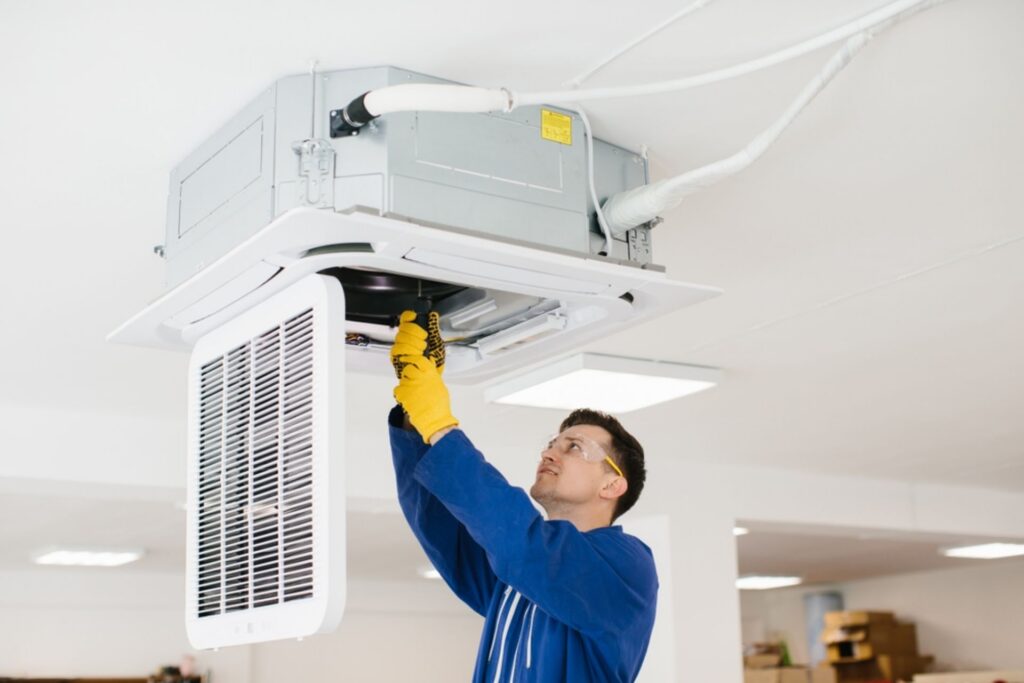
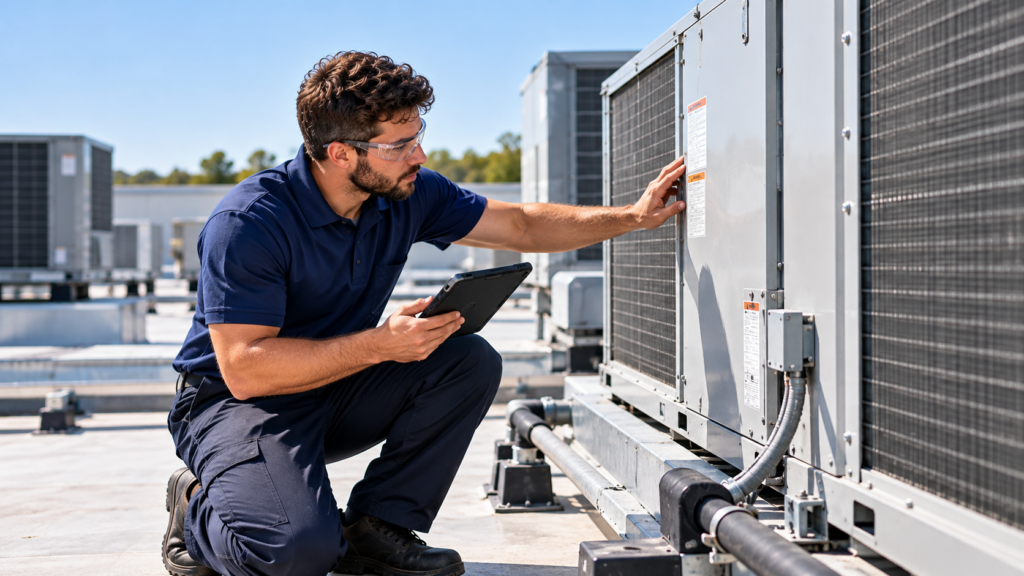
Heating and cooling systems are essential to everyday life. From residential air conditioners to commercial refrigeration equipment, these systems help maintain comfortable indoor environments and support the operation of homes, businesses, and other facilities.
But HVAC/R equipment doesn’t operate indefinitely without attention. Systems require maintenance, components wear out, and new technologies introduce different installation and troubleshooting requirements.
That’s one reason skilled heating, ventilation, air conditioning, and refrigeration (HVAC/R) technicians continue to play an important role in the skilled trades.
According to the U.S. Bureau of Labor Statistics (BLS), employment of heating, air conditioning, and refrigeration mechanics and installers is projected to grow 11% from 2025 to 2035, with approximately 40,600 job openings projected annually, on average, over the decade.
For individuals considering a hands-on technical career, understanding this demand—and the skills HVAC technicians use—can provide a useful starting point.
Why Are HVAC Technicians in Demand?
HVAC technicians install, maintain, troubleshoot, and repair equipment that helps regulate temperature, ventilation, and refrigeration.
Several factors contribute to the continuing need for these services.
Maintenance, Repair, and System Replacement
Heating and cooling systems contain mechanical, electrical, and electronic components that require periodic inspection and maintenance.
Over time, motors, controls, filters, and other parts may need servicing or replacement. Technicians evaluate system performance, investigate problems, and perform appropriate repairs.
Preventive maintenance can also help identify developing issues before they lead to more extensive equipment problems.
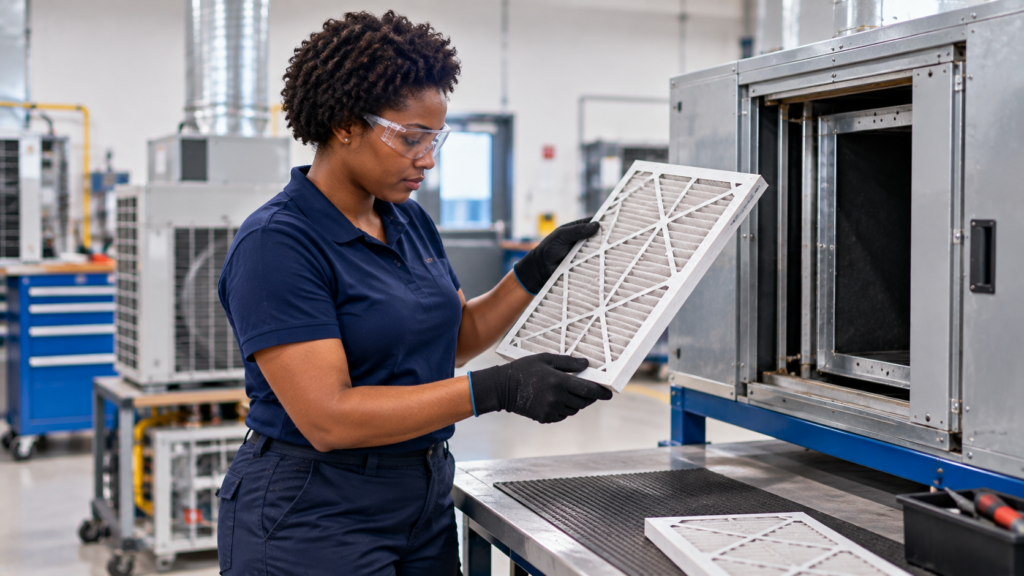
When systems reach the end of their useful life, technicians may be needed to remove existing equipment and install replacements.
Because buildings continue to rely on heating, cooling, and refrigeration systems, maintenance and repair work remains an important part of the HVAC/R field.
New Construction and Equipment Installation
New homes, commercial properties, and other facilities often require HVAC systems designed to meet their heating, cooling, and ventilation needs.
Technicians may assist with equipment installation, component connections, system testing, and startup procedures.
These activities require an understanding of equipment specifications, applicable building codes, manufacturer instructions, and workplace safety requirements.
Existing buildings may also undergo renovations or equipment upgrades that create additional installation and service needs.
More Sophisticated Heating and Cooling Technology
Modern HVAC/R systems increasingly use electronic controls, sensors, variable-speed components, and connected thermostats.
These technologies can help regulate system operation, but they also require technicians to understand how mechanical and electrical components interact.
A problem with airflow, for example, may involve a filter restriction, fan operation, control settings, or another system condition.
Technicians must evaluate available information and identify appropriate diagnostic procedures rather than relying on a single measurement.
As equipment continues to evolve, technical knowledge and problem-solving skills remain important.
What Skills Do HVAC Technicians Need?
HVAC/R work involves more than replacing parts or installing equipment. Technicians use a combination of mechanical knowledge, electrical fundamentals, diagnostic methods, and safe work practices.
Mechanical and Electrical Fundamentals
Heating and cooling equipment contains components such as compressors, motors, fans, heat exchangers, and electrical controls.
Understanding how these components function helps technicians recognize potential problems and evaluate system performance.
Electrical knowledge is also important because HVAC/R equipment commonly uses circuits, wiring, sensors, and control devices.
Technicians may need to interpret wiring diagrams, understand electrical measurements, and follow manufacturer service procedures.
Electrical work presents serious hazards. Appropriate training, protective equipment, de-energization procedures, and applicable lockout/tagout requirements are essential when servicing equipment.
Troubleshooting and Diagnostic Skills
A technician investigating poor cooling performance must consider multiple possible causes.
Depending on the equipment and symptoms, diagnostic work may involve:
- Airflow measurements to evaluate ventilation and air distribution.
- Electrical testing to assess components and controls using appropriate safety procedures.
- Temperature measurements to examine system operating conditions.
- Refrigerant-system diagnostics performed with suitable instruments and in accordance with applicable regulations.
- Manufacturer troubleshooting procedures to interpret fault indications and equipment specifications.
Accurate troubleshooting requires technicians to evaluate findings together rather than treating one reading as a complete diagnosis.
Developing these skills can help prepare individuals for the practical challenges of HVAC/R service work.
Refrigerant Safety and Certification
Refrigerants are used in many air conditioning and refrigeration systems, and their handling is regulated.
The U.S. Environmental Protection Agency (EPA) establishes certification requirements for technicians performing certain refrigerant-related activities.
Under the EPA Section 608 technician certification requirements, technicians must obtain the appropriate certification for covered work, subject to applicable exceptions.
EPA Section 608 Universal Certification requires passing the applicable EPA-approved examinations covering Type I, Type II, and Type III equipment.
Completing an HVAC/R diploma program does not automatically award EPA certification.
Technicians must also understand the safety considerations associated with different refrigerants, including changing regulatory requirements and the handling procedures for refrigerants with different flammability classifications.
Where Do HVAC Technicians Work?
HVAC/R skills can be relevant in a variety of work environments.
Residential technicians may service heating and cooling equipment in houses and apartment buildings. Commercial technicians may work with systems used in offices, retail properties, and other facilities.
Refrigeration-related work may involve equipment used to maintain appropriate temperatures in food storage, retail, and other commercial settings.
Depending on their training, qualifications, and employer requirements, HVAC/R professionals may pursue work involving installation, maintenance, troubleshooting, or equipment repair.
The specific responsibilities of a position can vary considerably. Some roles may require additional certifications, licensing, specialized training, or supervised experience.
Build HVAC/R Skills at Rockford Career College
At Rockford Career College, our Heating, Ventilation, Air Conditioning & Refrigeration (HVAC/R) Diploma is designed to help students develop foundational knowledge and practical skills relevant to the HVAC/R field.
Our 10-month, 64-quarter-credit diploma program covers heating, ventilation, air conditioning, and refrigeration systems, including electrical and mechanical controls, installation principles, maintenance, troubleshooting, and repair.
Through hands-on training at our Rockford campus, you’ll have opportunities to study technical concepts and apply them in practical learning activities involving HVAC/R equipment.
We focus on helping students build a foundation in the systems, tools, and procedures associated with the field while providing access to academic guidance and career services.
Our admissions team can help you explore program requirements, class schedules, and current enrollment information.
Completing the diploma does not guarantee employment, professional licensure, or industry certification. Individual employers and jurisdictions may establish additional requirements.
Explore HVAC/R Training at Rockford Career College
HVAC technicians help keep essential heating, cooling, ventilation, and refrigeration systems operating across a range of environments.
From maintaining existing equipment to diagnosing problems involving newer technologies, the field calls for mechanical understanding, electrical knowledge, attention to safety, and practical troubleshooting skills.
If you’re interested in exploring a hands-on skilled trades career, our HVAC/R Diploma offers an opportunity to develop foundational technical knowledge through career-focused education.
Explore our HVAC/R Diploma program to learn more about the curriculum and training experience, or connect with our admissions team to discuss your next steps.
