
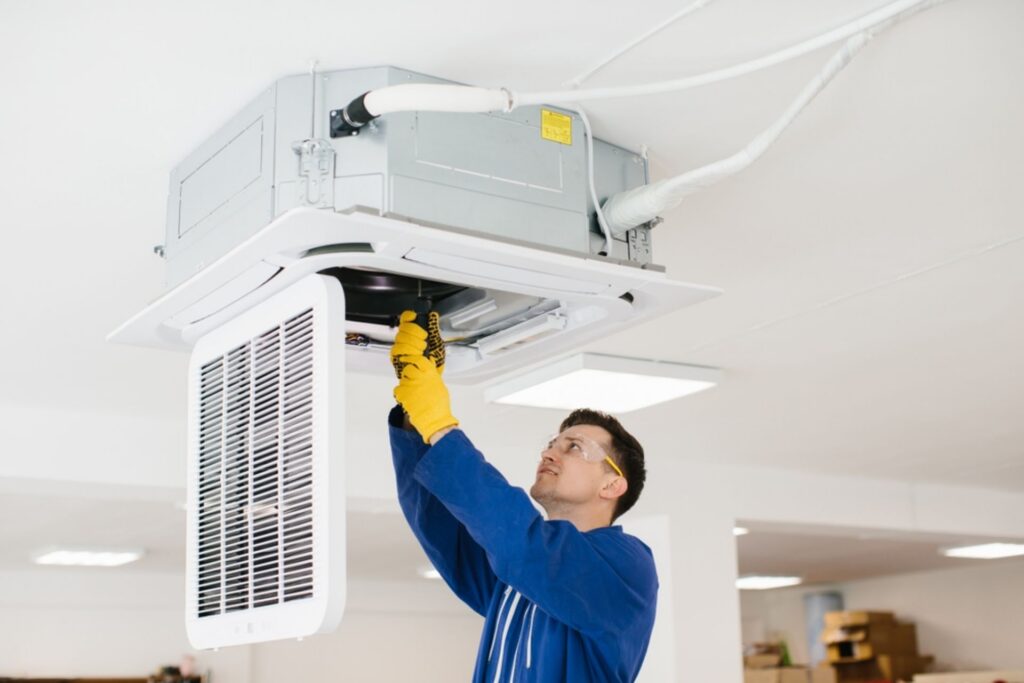

What Does an Electrical Technician Really Do Every Day?

Most people picture an electrical technician with a tool belt and a handful of wires. That’s part of it, sure—but the real day-to-day is a mix of problem-solving,
hands-on work, and keeping things running that the rest of us take for granted.
If you like fixing things, figuring out how systems work, and ending the day knowing you made something safer or stronger, this career path might be a great
fit for you, starting with an Electrical Technician Diploma.
But before that, let’s discuss what it is and share some ideas on what a typical day may actually look like in your career.
What Is an Electrical Technician?
An electrical technician works closely with electrical engineers, assisting in the design, development, and maintenance of electrical and electronic systems.
What Do Electrical Technicians Do Every Day?
Starting the Day: Gear Up, Get the Job List, and Head Out
A typical day starts early. Before anything else, they check the day’s work orders. The morning routine is simple and practical:
- Look over the day’s assignments
- Load up any tools or parts needed
- Touch base with a supervisor or team
- Drive to the first job site
It’s real-world and hands-on from the moment the day starts.
On the Job Site: Fixing What’s Not Working
Once they arrive at a job, the first task is usually troubleshooting. Troubleshooting in this field is part detective work and part technical know-how. A technician checks breakers, tests circuits, reads meters, and figures out the root cause of the problem. It takes patience and a steady hand because electrical issues can be subtle — one loose connection can throw everything off.
Repairs and Installations: Making It Safe and Reliable
Once the problem is identified, the next step is to fix it. This may include:
- Replacing damaged wiring
- Installing outlets, switches, or breakers
- Fixing lighting issues
- Swapping out old panels or components
- Securing loose connections
Midday: Updating Notes and Hitting the Next Site
Once a job is done, technicians update their records. This part sounds small, but it matters. Clear notes help the next technician understand what’s been done
and what’s still needed. After that, it’s on to the next job site.
Teamwork, Communication, and Problem Solving
Even though the work is hands-on, technicians rarely work in a bubble. They coordinate with:
- Supervisors
- Builders or contractors
- Homeowners
- Maintenance teams
- Safety inspectors
The conversations are usually quick and practical. “Here’s the issue.” “Here’s what we did.” “Here’s what comes next.”
End of Day: Pack Up and Prep for Tomorrow
After the last job, technicians head back to the shop or home base, restock parts, clean tools, finish any paperwork, and get ready for the next day. There’s a rhythm to it: fix, learn, communicate, repeat. And that rhythm builds a career—one job at a time.
Essential Skills for Electrical Technicians
Fundamental Technical Skills
- Electrical knowledge: Strong understanding of electrical systems, circuits, and theory
- Hands-on expertise: Proficiency with electrical tools and equipment
- Technology skills: Experience with modern systems like Programmable Logic Controllers (PLCs)
- Code compliance: Familiarity with the National Electrical Code for safety and regulations
- Troubleshooting ability: Skills to diagnose and resolve electrical problems efficiently
Physical and Problem-Solving Abilities
- Physical requirements
- Strength to lift equipment and materials
- Stamina for long workdays
- Mental abilities
- Problem-solving skills to diagnose electrical issues
- Analytical thinking to troubleshoot complex systems
- Ability to develop innovative fixes when standard approaches fail
Soft Skills and Communication
- Team collaboration
- Client interaction
- Technical translation
- Clear documentation
Aspiring electrical technicians often pursue formal education and on-the-job training to hone these diverse skills.
What Does Career Progression Look Like for
an Electrical Technician?
Starting as an Electrical Technician
Embarking on your journey as an electrical technician can open the door to exciting opportunities. Initially, you’ll likely secure a role as an electrician’s assistant
or a similar position, gaining hands-on experience while learning the ropes.
Advancing Through Specialization
With time, dedication, and further education, career progression can take you towards specialized fields such as:
- Mechatronics
- Industrial control systems
These specializations are in high demand, offering a blend of technicality and creativity.
Ascending to Leadership Roles
As you accumulate experience, leadership opportunities emerge:
- Supervisory positions overseeing other professionals
- Project management roles taking charge of electrical installations
- Master electrician certification demonstrating advanced expertise
- Entrepreneurial options starting your own electrical contracting business
How to Become an Electrical Technician
Becoming an electrical technician can be a rewarding career choice, offering hands-on work and stability in the skilled trades sector.
Here’s a step-by-step guide to get you started:
Education and Training
Firstly, you’ll need a high school diploma or a GED. Next, consider attending a training program or a skilled trades school to earn a certificate or diploma,
like the Electrical Technician Diploma from Rockford Career College.
Gaining Experience
While education is important, on-the-job experience is equally crucial. Joining an apprenticeship or finding entry-level work offers practical learning that helps
you apply theoretical knowledge and gain valuable industry insight.
Certification and Continuous Learning
Earning certifications such as Residential Wireman or Journeyman Electrician can elevate your career prospects, positioning you well in a dynamic field.
Start Your Journey at Rockford Career College
At Rockford Career College, our Electrical Technician Diploma program provides you with the foundational knowledge and practical skills to excel in this dynamic field. You’ll learn from experienced instructors who bring real-world expertise to the classroom.
Ready to power up your future in a rewarding, in-demand career? The electrical industry needs skilled professionals who can meet the growing demands of our technology-dependent world. Contact us now to start your application process.
